

Your business suddenly feels outdated and you are clueless where to start, here we come with a solution indicating 5 crucial signs that your business needs a branding refresh.
What is a Branding Refresh?
A branding refresh isn’t about changing your business overnight or starting from scratch. It’s about making sure your visual identity, messaging, and customer experience reflect the business you’ve become today, not the one you launched years ago. As your company evolves, your brand should evolve with it.
When your competitors appear more polished online. Their websites look modern, their social media feels consistent, and somehow they seem to attract attention more easily – even when you know your product or service is just as good, if not better.
You start wondering what’s changed.
“Is the market becoming more competitive?”
“Do I need to spend more on advertising?”
“Should I lower my prices?”
The truth is, sometimes the business isn’t the problem.
A branding refresh isn’t just about making your business look more modern. It’s about ensuring your brand accurately represents who you are today, communicates your value clearly, and creates a memorable first impression for potential customers.
So, how do you know it’s time for a branding refresh?
5 Signs Your Business Requires a Branding Refresh
- Your Logo Isn’t Flexible
Your logo may look good on a business card but fall apart on social media, websites, packaging, or mobile screens. A modern logo should be versatile, scalable, and instantly recognizable across every platform.
- Your Brand Messaging Isn’t Connecting
If customers don’t immediately understand what you do, who you help, or why they should choose you, your messaging may no longer be working. A branding refresh helps refine your voice and communicate your value with clarity.
- Your Brand No Longer Reflects Your Values
Businesses grow, but branding often stays frozen in time. If your company has become more premium, innovative, sustainable, or customer-focused, your branding should communicate those values consistently.
- Your Brand Identity Feels Visually Inconsistent
Different logos, mismatched colors, multiple fonts, and inconsistent social media designs can confuse customers and weaken trust. A branding refresh creates a unified identity that customers instantly recognize.
- Your Sales and Marketing Are Struggling
When your advertising isn’t converting, your website isn’t generating enquiries, or your marketing feels less effective than before, the issue may not be your campaigns – it could be your brand. Strong branding builds credibility, making every marketing effort work harder.
These signs don’t always appear overnight. They develop gradually as businesses grow and markets become more competitive. Recognizing them early gives you the opportunity to invest in a branding refresh before they begin affecting customer trust, brand perception, and long-term business growth.
How Digital Pylot Can Help You Refresh Your Brand?
Recognizing the need for a branding refresh is the first step. The next – and often the most challenging – is knowing where to begin.
Many business owners assume a branding refresh simply means designing a new logo. In reality, effective branding goes much deeper. It requires understanding your business, your audience, your goals, and the story you want customers to remember every time they interact with your brand.
That’s where Digital Pylot Branding servcies comes in.
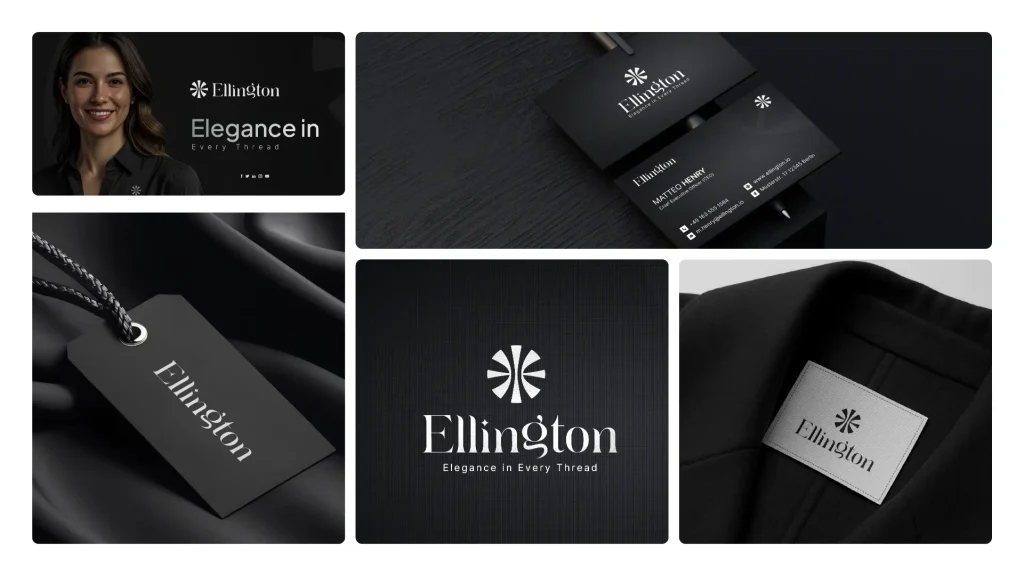
We work by your side as your Creative & Technology Partner, helping you strategically design a supporting growth system. Whether you’re building startup companies, developing your identity from the ground or establishing a company looking for a branding refresh, we will find a solution to help you.
Our branding process goes beyond aesthetics. We help businesses create a complete and consistent brand experience through:
- Brand strategy and positioning
- Logo design and visual identity systems
- Typography and color palettes
- Brand guidelines for consistency
- Stationery and marketing collateral
- Social media branding
- Website design and user experience
- Digital assets that strengthen your online presence
Every element is designed to work together, ensuring your customers experience the same professional, memorable brand wherever they discover your business.
A successful branding refresh isn’t about following the latest design trends, it’s about creating an identity that reflects your business today while preparing it for tomorrow. When your branding communicates trust, professionalism, and consistency, every marketing effort becomes more effective, every customer interaction becomes more meaningful, and your business is better positioned to grow.
If your brand no longer reflects the quality of your business, it may be time to give it the attention it deserves. Let us help you building a brand with Digital Pylot that not only looks exceptional but also supports your long-term business goals.

Related Post

DevOps: Bridging the Gap Between Development and Operations